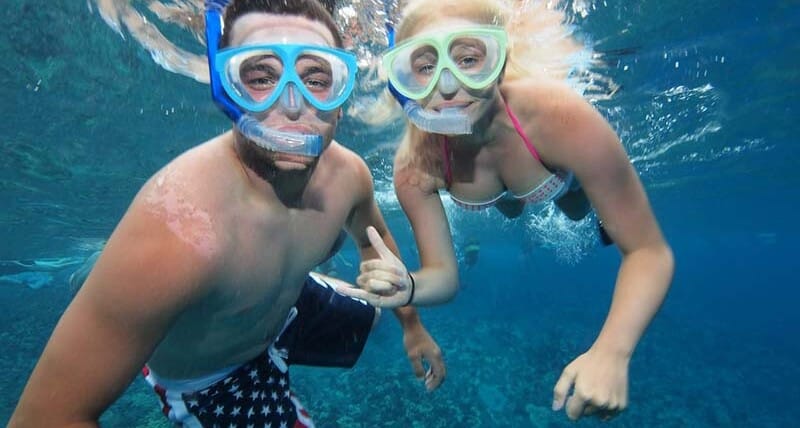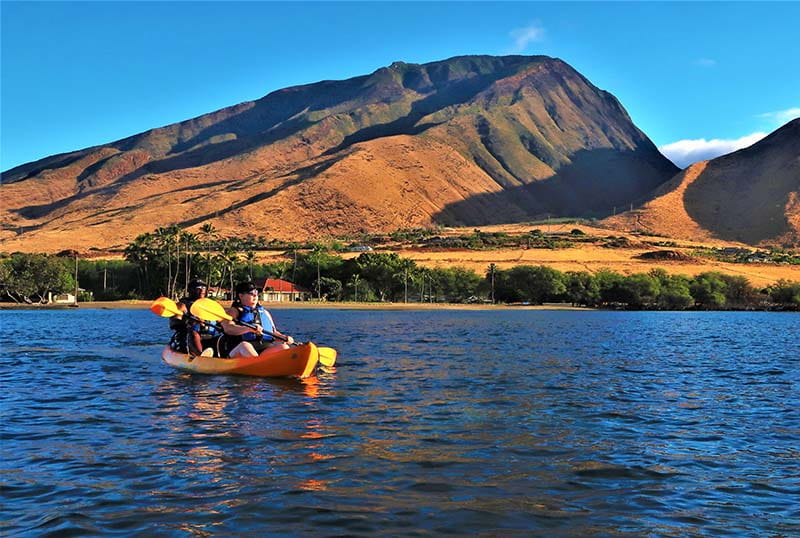
Kayaking and snorkeling are very popular activities in the Hawaiian Islands and have a strong following among locals and tourists alike, all year round. The coastal waters of Hawaii are generally safe, however, ocean environments are naturally very dynamic. Changes in weather, swell, currents, and visibility can drastically affect the level of risk in a very short period of time.
Having research-based knowledge of ocean conditions and safety measures will significantly reduce the number of preventable incidents and at the same time, promote a responsible attitude towards marine ecosystems. In this piece, you will find a thorough and educational discussion of the environmental factors, risk considerations, and commonly suggested safety guidelines for kayaking and snorkeling in Hawaii.
Oceanographic and Environmental Factors
Weather, Wind, and Sea State
The oceanic conditions in Hawaii depend on trade winds, seasons of swells, and weather patterns at a local level. Strong winds can create choppy water surfaces in no time, which makes it very hard for small watercraft to move, and a swimmer will find it hard to keep their balance. On the other hand, a combination of big swells and a shore break can result in surges near the reefs that may cause the entry and exit to be very unsafe.
Looking at the marine forecasts and the ocean reports of a nearby location before getting into the water is considered a basic safety habit everywhere, especially in the case of kayaking routes that go beyond a protected bay.
Currents and Nearshore Dynamics
Nearshore currents, such as longshore drift and rip currents, are capable of affecting the movement of beachgoers and those navigating reef channels. It is even possible for light currents to cause slow drift, which can be very difficult for unsuspecting paddlers or snorkelers to realize until they are quite a distance away from their initial point of entry.
One way to reduce the risk of getting lost is to remain aware of the environment and to make use of features on the shore for orientation.
Water Visibility
There is no denying that water clarity is a major factor in ensuring ocean safety. It is difficult enough to spot both natural and anthropogenic hazards, e.g., reefs, other ocean users, and marine life, when visibility is compromised due to sediment runoff, plankton blooms, or wave turbulence. On the other hand, clear water conditions permit better orientation and, therefore, the chances of unexpected encounters are decreased.
Kayaking Risk Management Practices
Some of the most common points emphasized in safety and marine research literature are:
- Wear the right-sized personal flotation devices
- Take note of the wind direction with respect to the route planned
- Do not go offshore when strong trade winds are blowing
- Keep a reasonable distance from the surf zones and rocky shorelines
- Paddle in groups or maintain visual contact with others
- Establish turnaround points based on conditions rather than distance
Going on a kayak excursion around coral reefs can be even more risky. The reason for this is that reefs reflect waves, and the coral heads are not only shallow, but the depth contours can also be changing.
Snorkeling Safety Considerations
Snorkeling safety goes hand in hand with being environmentally aware and in good physical shape. Some of the recommended practices are:
- Going into the water only when it is calm or moderate
- Avoiding solo snorkeling
- Keeping energy level by floating and resting when necessary
- Not damaging the reef by staying in neutral buoyancy
- Checking that you can breathe comfortably and getting out if you become tired
Knowing where and how you will get in and out of the water before you enter greatly lessens stress and makes you safer overall.
Marine Life Interaction Awareness
One of the main attractions of Hawaii is the rich marine life that includes sea turtles, reef fish, rays, and dolphins. It is safer and more environmentally friendly to keep a distance when watching the animals.
Most of the time, people and animals get hurt when either the animals are approached too closely or when they get scared. It is safer to keep a calm and predictable movement, so you do not disturb and also minimize the risk of the encounter.
Human Factors in Ocean Incidents
Studies on ocean safety keep showing that a great number of incidents cannot be attributed to extreme environmental conditions but are human factors that have caused them. Some of the most common contributors to such mistakes are:
- The swimmers or paddlers highly overestimate their abilities
- People explore areas that are unfamiliar to them without local knowledge
- Ignoring changing weather conditions
- Being too tired or thirsty
Education and preparation are thus believed to be the main factors in decreasing the number of cases.
Conservation and Responsible Ocean Use
Responsible recreation is a win-win for environmental sustainability and public safety in the long run. To keep the ecosystem going, follow the advisories, stay away from marine protected areas, and do not disturb coral reefs.
When the reefs are alive and well, they not only have the power to break the waves naturally but also to support the whole marine life, which in turn leads to safer conditions in the shallows.